
The Process of Gemstone Grading Explained

Gemstones have fascinated humans for centuries with their beauty and rarity. But not all gemstones are created equal. Their value depends on a detailed evaluation known as the gemstone grading process. This process helps determine the quality, authenticity, and worth of a gemstone. Understanding how gemstones are graded can empower buyers, sellers, and enthusiasts to make informed decisions.
What Is the Gemstone Grading Process?
The gemstone grading process is a systematic method used to assess the quality of a gemstone. It involves examining various characteristics such as color, clarity, cut, and carat weight. Each factor plays a crucial role in determining the gemstone's overall value.
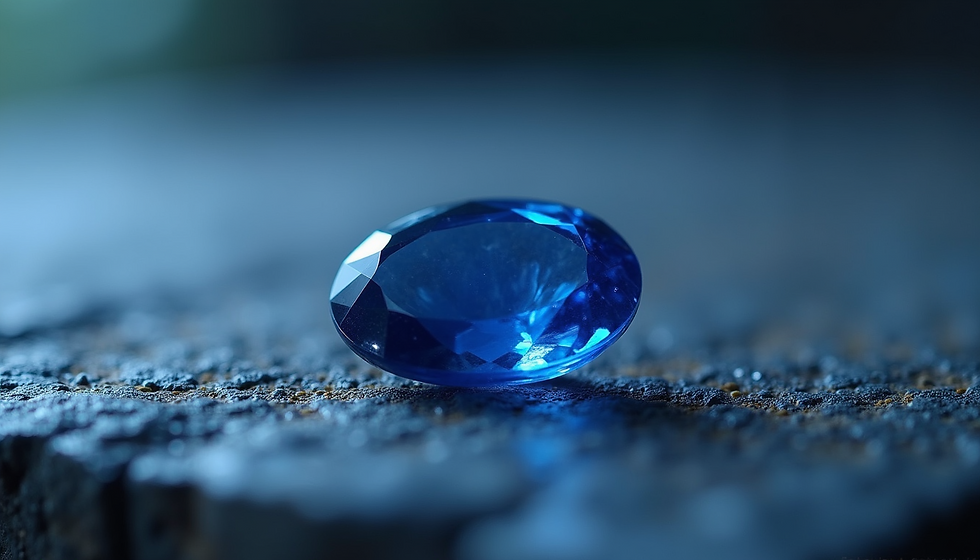
Professional gemologists use specialized tools and techniques to grade gemstones accurately. The process ensures transparency and trust in the gemstone market. For example, a well-cut sapphire with vivid color and minimal inclusions will be graded higher than a dull, heavily included one.

Key Factors in the Grading Process
Color
Color is often the most important factor. It includes hue, tone, and saturation. The ideal color varies depending on the type of gemstone. For instance, emeralds are prized for their deep green, while rubies are valued for their rich red.
Clarity
Clarity refers to the presence of internal or external flaws called inclusions and blemishes. Fewer inclusions mean higher clarity and value. Some inclusions are acceptable if they do not affect the gemstone's brilliance.
Cut
The cut affects how light interacts with the gemstone. A well-cut stone reflects light beautifully, enhancing its sparkle. Poor cuts can make even a high-quality gemstone look dull.
Carat Weight
Carat measures the gemstone's weight. Larger stones are rarer and generally more valuable, but size alone does not guarantee quality.
Understanding the Gemstone Grading Process in Detail
The grading process starts with a visual inspection using magnification tools like loupes or microscopes. Gemologists look for inclusions, surface blemishes, and color zoning. They also assess the gemstone's proportions and symmetry.
Next, they use instruments such as spectrometers to analyze the gemstone's chemical composition and authenticity. This step helps distinguish natural stones from synthetic or treated ones.
After gathering all data, the gemologist assigns grades based on standardized criteria. These grades are often documented in a gemstone grading report, which serves as a certificate of quality.
For example, a diamond grading report might include details about the stone's cut grade, color grade, clarity grade, and carat weight. Similarly, colored gemstones receive detailed descriptions of their unique characteristics.

How to Use a Gemstone Grading Report
A gemstone grading report is a valuable tool for buyers and sellers. It provides an unbiased evaluation of the gemstone's quality. When purchasing a gemstone, always ask for a grading report from a reputable laboratory.
Here are some practical tips for using the report:
Verify authenticity: Ensure the report matches the gemstone you are buying. Check the report number and gemstone details.
Compare grades: Use the report to compare different gemstones objectively.
Understand value: Higher grades usually mean higher prices, but personal preference also matters.
Ask questions: If any part of the report is unclear, consult a gemologist for clarification.
Using a grading report can prevent costly mistakes and increase confidence in your purchase.
Tips for Buyers and Sellers in the Gemstone Market
Whether you are buying or selling, understanding the grading process can help you get the best value.
Buy from trusted sources: Always choose sellers who provide certified grading reports.
Know your gemstone: Research the typical grading standards for the gemstone you want.
Inspect in person: If possible, view the gemstone under proper lighting before buying.
Negotiate wisely: Use the grading report to support your price negotiations.
Maintain documentation: Keep all grading reports and receipts for future reference or resale.
For sellers, providing a grading report can increase buyer trust and justify your asking price.
The Importance of Professional Gemstone Grading
Professional gemstone grading adds credibility and transparency to the gemstone trade. It protects consumers from fraud and misrepresentation. Grading also helps preserve the gemstone's value over time.
If you want to learn more about the detailed gemstone grading process or obtain a grading report, visiting a certified gemological laboratory is recommended. Their expertise ensures accurate and reliable assessments.
By understanding the grading process, you can appreciate the true beauty and value of gemstones beyond their surface appearance.
Enhancing Your Knowledge of Gemstones
Learning about gemstone grading is just the beginning. To deepen your knowledge:
Attend gem shows and exhibitions.
Take courses in gemology.
Read books and articles from reputable sources.
Join gemstone enthusiast communities.
This knowledge will help you make smarter choices and enjoy the fascinating world of gemstones even more.
By mastering the gemstone grading process, you gain the ability to distinguish quality stones from ordinary ones. This skill is invaluable whether you are a collector, investor, or simply a lover of fine jewelry.


Comments